-
-
LV Planning for Future Networks
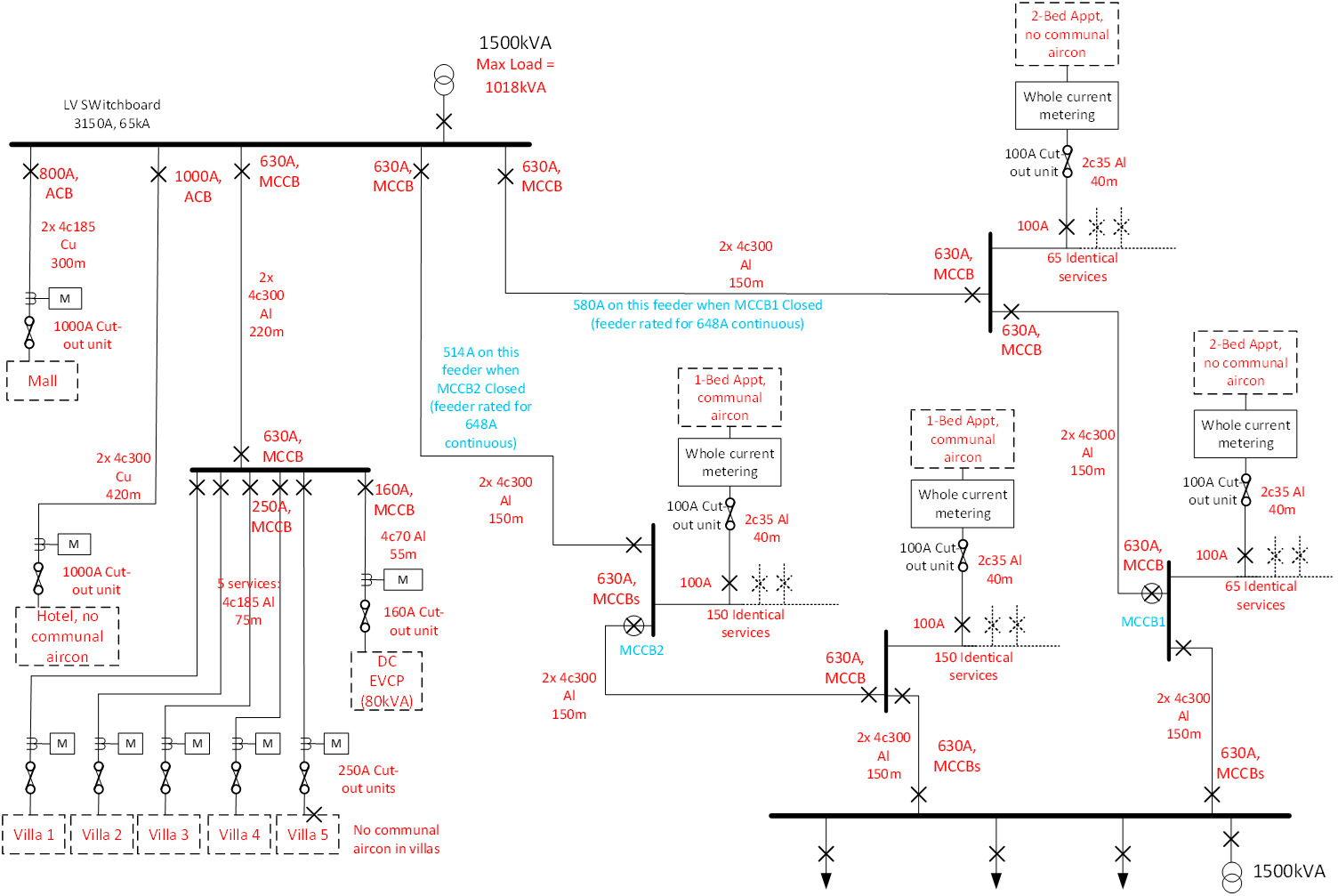
This practical, face-to-face two-day course gives delegates a working understanding of how LV distribution networks are planned, designed and assessed. Particular emphasis is placed on how electricity demand and distributed generation are evaluated and managed, and how they influence network capacity, voltage performance, power quality and investment decisions.
Rather than focusing solely on theory, the course uses practical examples and worked exercises to show how planning principles are applied to new and existing LV networks. Delegates will explore residential and commercial developments, increasing uptake of electric vehicles and heat pumps, rooftop solar PV, battery storage and other emerging demands on LV networks.
By the end of the course, delegates will be better equipped to understand LV network behaviour, interpret the available network and customer data, identify potential constraints and make proportionate, defensible planning and design decisions.
1. Who is it for?
The course is intended for engineers and other technical professionals who need a practical understanding of LV networks and the decisions involved in connecting and managing demand and generation. It is particularly suited to:
Engineers and recent entrants to the electricity industry who need a structured introduction to LV network planning and design.
Network planners and designers working for DNOs, IDNOs, ICPs, developers, consultants or other network owners.
Engineers involved in assessing new demand or generation connections, including housing developments, commercial loads, electric vehicle charging, heat pumps, solar PV and battery storage.
Engineers working in LV network operation, maintenance or asset management who want to understand how planning and design decisions are made.
Experienced technical professionals who want to refresh or broaden their understanding of modern LV planning, particularly in relation to LCT integration, voltage management and power quality.
The course assumes a general engineering or electricity-industry background, but delegates do not need to be experienced LV network planners. The technical content is developed progressively and reinforced through practical exercises based on realistic network scenarios.
2. Course topics
Summary of Modules:
· LV planning principles – the role of the planner and balancing safety, reliability, compliance, cost and future requirements.
· Understanding and assessing demand – maximum demand, diversity, domestic and commercial loads, and the impact of EVs and heat pumps.
· Understanding generation and export – reverse power flow, export assessment and generation-driven voltage rise.
· Understanding LV networks – network topology, radial feeders, interconnection, open points, backfeeds and network security.
· Planning new LV networks – translating demand and generation requirements into transformer, feeder and substation arrangements for residential and commercial developments.
· Assessing existing LV networks – using network records, assumptions and measured data to understand available capacity and identify constraints.
· Managing voltage and network capacity – voltage drop and rise, thermal capacity, transformer taps and practical options for accommodating changing demand and generation.
· LCTs and power quality – understanding how EVs, heat pumps, PV and other power-electronic devices can affect harmonics, voltage fluctuation and unbalance.
· Applying engineering judgement – making proportionate planning decisions where network information is incomplete, assumptions are uncertain or standard solutions do not readily apply.
· Practical exercises – worked examples and realistic network scenarios allow delegates to apply the principles throughout the course.
3. Course booking Information
Course duration: 2 days.
Course dates: 20/21 April 2027
Course venue: Central Manchester
Cost: £954
The course and course materials will be in English.
All delegates will receive:
· Electronic access to the course slides
· Record of Completion at the end of the course
The course will account for 12 hours CPD.
The course registration fee includes tuition, course materials, lunches and refreshments. Delegates will cover their own costs of travel and accommodation.
4.Booking
If you are interested in attending this course, please submit register via the following link:
Payment & cancellation conditions will be confirmed during booking.
Threepwood Consulting reserve the right to cancel or reschedule the course.
- Available Booking Dates
-

Course Trainer - Richard Parke
Richard Parke is a Chartered Engineer and Threepwood’s Networks Compliance lead, combining extensive HV and LV network planning expertise with hands-on experience developing LV design policies for UK DNOs.
Course Trainer -
If you would like to book a private class please contact info@threepwoodconsulting.com